Note… Nothing here are predictions. Only what I believe are plausible issues worth attention. Nothing is intended as doom and gloom. The point of identifying risks is to consider ways to mitigate or eliminate them. With that in mind, there’s some things I’ve been getting concerned with lately.
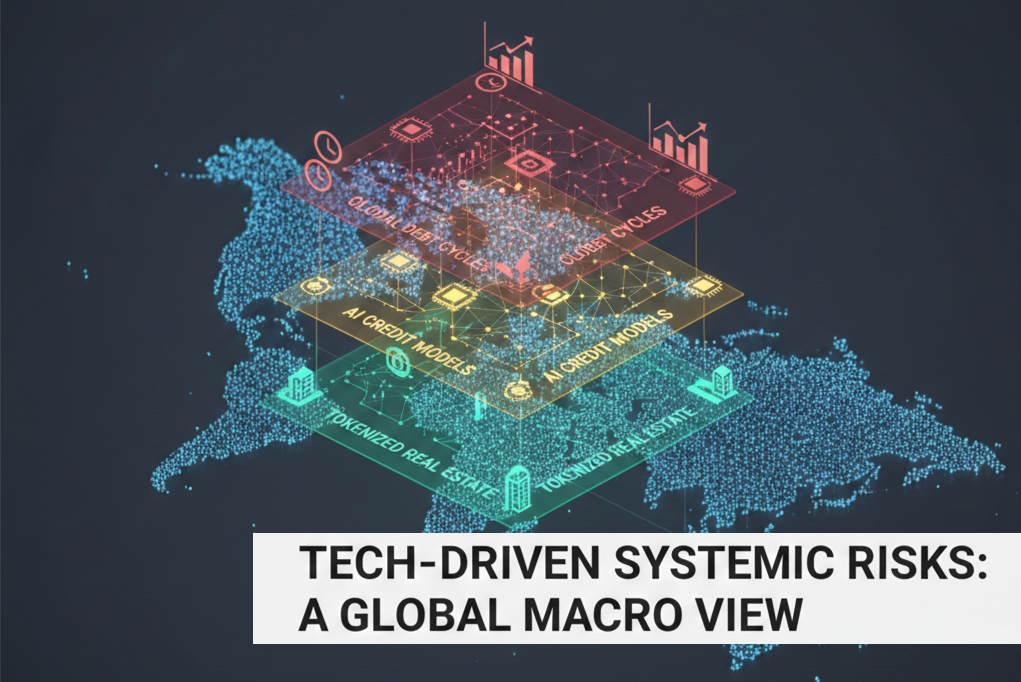
Crypto, DeFi, and AI, seem to have things in common besides being disruptive and interesting, and that’s risk beyond their spheres of influence. I’m optimistic about long-term outcomes, at the same time success usually isn’t a straight line. Risks include how individual sectors can impact wider markets. Some technologies don’t just succeed or fail internally, but reshape industry plumbing, incentives, and reflexes in the larger scale marketplaces, often faster than institutions can adapt.
[Read more…]